Commercial drying across Central Scotland
When water damage impacts your commercial property, a swift and effective drying process is essential to minimise disruption, prevent further damage, and maintain a safe environment. Our commercial drying services in Central Scotland are designed to quickly and efficiently remove moisture from large spaces, ensuring that your business operations can resume as soon as possible.
Using industrial-grade drying equipment and advanced techniques, we handle everything from initial water extraction to comprehensive dehumidification.
Our team is highly trained in managing drying projects of all sizes and complexities, from small offices to large commercial buildings. Trust us to restore a dry, safe, and functional environment for your property with professionalism and efficiency.

Commercial drying services across Central Scotland
Initial Assessment & Moisture Mapping
- Inspect the affected areas to assess the extent of water damage and identify all areas that require drying
- Use moisture meters and thermal imaging to create a detailed moisture map, highlighting affected areas that may not be visible to the naked eye
- Develop a tailored drying plan based on the type of water damage and the specific needs of your property
Water Extraction
- Use industrial-grade pumps and extraction equipment to remove any standing water from floors, carpets, and other surfaces
- Conduct multiple rounds of extraction if necessary to reduce moisture levels quickly, minimising the risk of further damage
Setting Up Drying Equipment
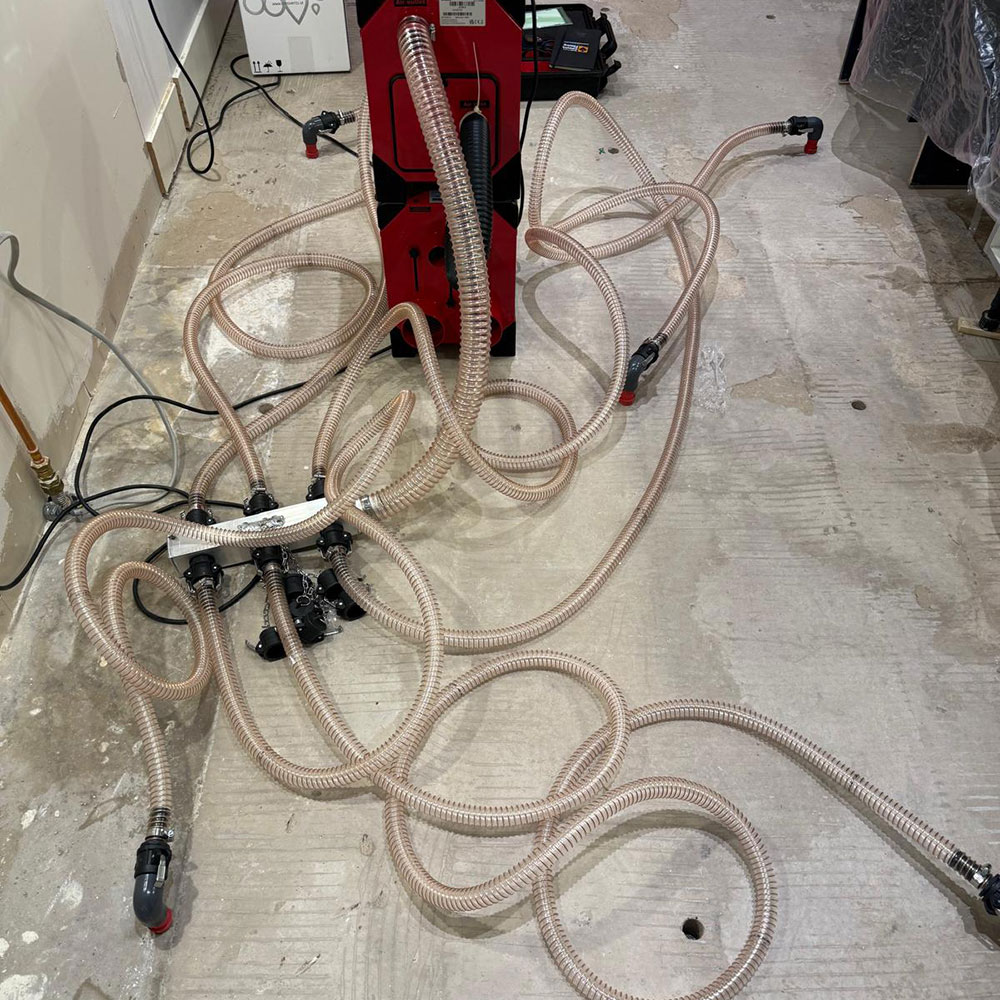
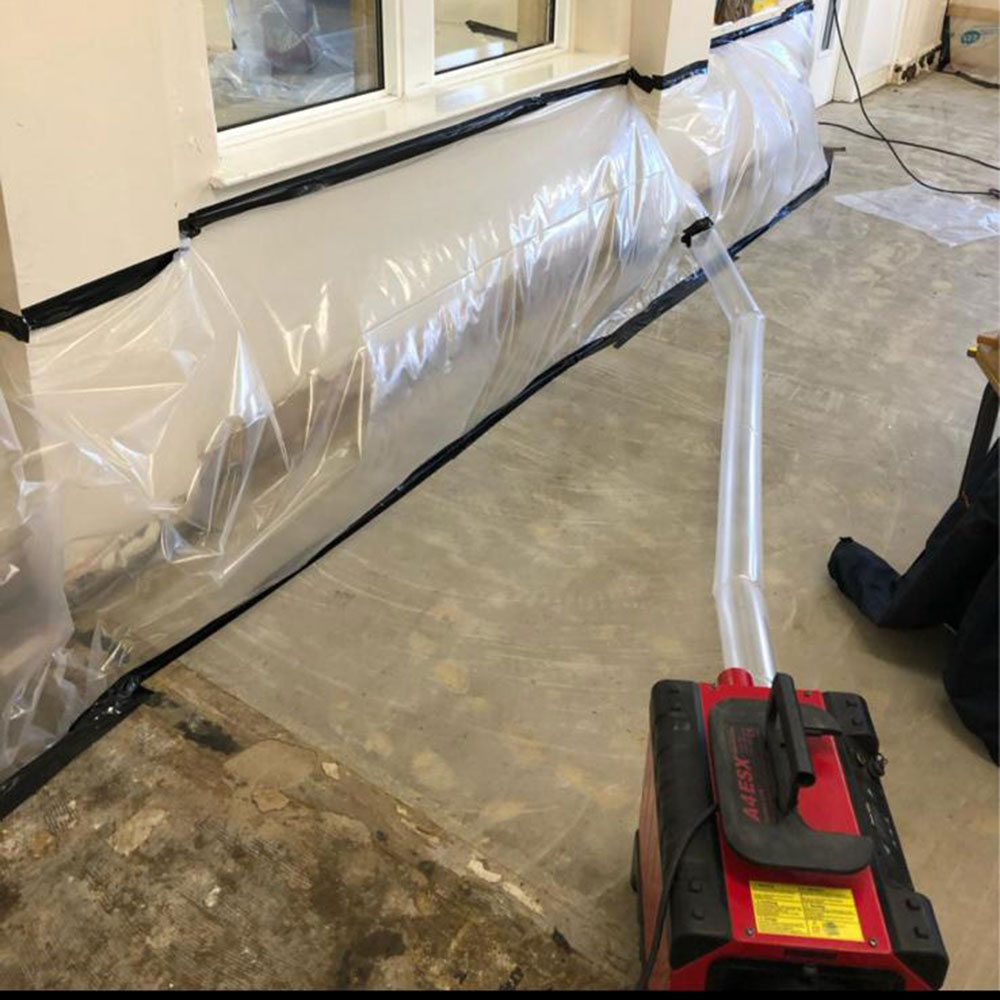
- Install high-capacity air movers, industrial fans, and dehumidifiers to circulate air and speed up the drying process
- Position equipment strategically for maximum airflow and efficiency, targeting walls, floors, and ceilings to ensure thorough drying
- Adjust equipment settings based on ongoing moisture readings to optimise results

Dehumidification
- Use commercial-grade dehumidifiers to remove excess moisture from the air and prevent secondary issues like mould growth
- Monitor humidity levels continuously to ensure the environment remains within safe and dry parameters
- Employ specialised dehumidifiers (such as low-grain refrigerant dehumidifiers) if needed for large spaces or complex drying projects
Temperature and Airflow Control
- Manage the temperature and airflow within the affected area to accelerate the evaporation of moisture from surfaces
- Adjust the drying environment as needed to account for outdoor conditions, building materials, and the nature of the water damage
Ongoing Monitoring & Adjustments
- Regularly check moisture levels in the affected areas, adjusting equipment and drying strategy based on the results
- Maintain detailed records of moisture readings, temperature, and humidity throughout the drying process to track progress and ensure effective drying
Odour Control & Sanitisation
- Use deodorisation techniques and sanitising agents as needed to remove any unpleasant odours and reduce the risk of microbial growth
- Apply antimicrobial treatments to affected areas to prevent the growth of mould and bacteria, especially in high-risk or moisture-prone spaces
Final Inspection & Moisture Testing
- Conduct a comprehensive inspection once the drying process is complete, ensuring that all affected areas meet safe moisture levels
- Perform final moisture testing to confirm that the property is fully dry and ready for restoration or re-occupancy
Documentation & Reporting
- Provide detailed reports and documentation of the drying process, including initial assessments, equipment used, and moisture readings
- Supply final reports for insurance purposes, making it easier for clients to file claims and demonstrate that drying was completed professionally
Frequently Asked Questions
How long does the commercial drying process typically take?
The drying process depends on the extent of the water damage, the size of the affected area, and the materials involved. On average, commercial drying can take anywhere from a few days to a week, but larger spaces or severe damage may require more time.
Will I need to close my business during the drying process?
It depends on the extent of the water damage and the location of the affected areas. In many cases, we can work around business operations or section off drying areas to minimise disruption. We’ll work with you to develop a plan that best suits your business needs.
What equipment do you use for commercial drying?
We use high-capacity air movers, industrial fans, dehumidifiers, moisture meters, and thermal imaging tools. For larger projects, we may also deploy low-grain refrigerant (LGR) dehumidifiers and specialised drying systems to ensure efficient and thorough drying.
How do you prevent mould growth during the drying process?
Our team monitors moisture and humidity levels closely throughout the drying process. We also use dehumidifiers and may apply antimicrobial treatments to prevent mould and bacteria from developing in affected areas.
Can you help with insurance documentation?
Yes, we provide detailed documentation, including initial assessments, moisture readings, drying progress, and final moisture levels. This documentation can be invaluable for insurance claims and helps streamline the claims process.
Is commercial drying different from residential drying?
Yes, commercial drying often requires more powerful equipment and a tailored approach due to the larger spaces, specific building materials, and types of contents involved. Our commercial drying services are designed to handle the unique challenges of business and industrial properties.
How do you determine when the drying process is complete?
We use moisture meters and other testing equipment to measure moisture levels throughout the process. Drying is considered complete when all affected materials reach safe and standard moisture levels, ensuring the space is safe for occupancy.
What causes water damage in commercial properties?
Common causes include burst pipes, leaking roofs, appliance malfunctions, storm damage, and sewage backups. Addressing water damage quickly is crucial to prevent further damage and restore a safe environment.
Will there be a lingering odour after the drying process?
We use deodorisation techniques and odour control equipment to eliminate unpleasant smells caused by water damage. By thoroughly drying and sanitising the area, we help ensure that no odours remain once the process is complete.
What should I do if I discover water damage in my commercial property?
It’s essential to contact a professional drying service immediately. Quick action can prevent further damage and reduce the drying time required. In the meantime, try to isolate the affected area, shut off any water sources, and avoid using electrical equipment in wet areas.
About Platinum Restoration in Central Scotland
We are a leading provider of restoration services based in Central Scotland.
We are dedicated to helping clients recover from disasters such as fire, flood, and severe leaks. With a strong focus on quality and customer satisfaction, the team combines advanced techniques and state-of-the-art equipment to deliver exceptional results.
Serving both residential and commercial properties, the company is committed to restoring safety and cleanliness efficiently and effectively.
Our expertise ensures that every project is handled with care, making Platinum Restoration a trusted choice for restoration needs across Scotland.
