Mould remediation across Central Scotland
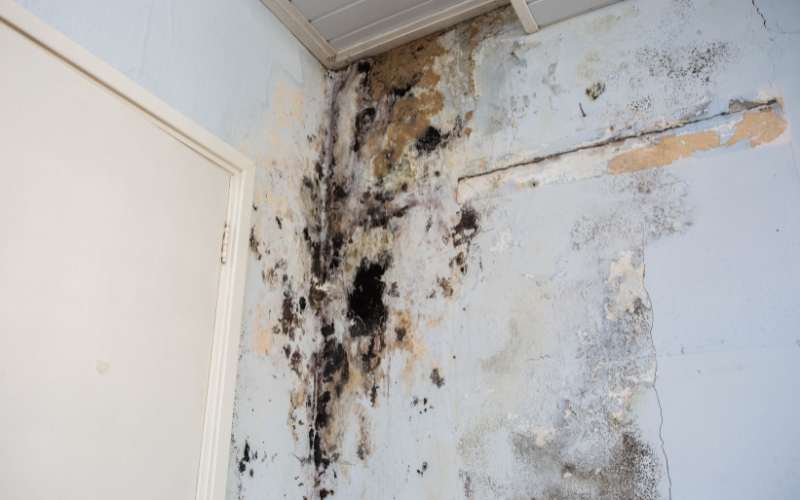
Mould remediation is essential for restoring a safe and healthy environment when mould issues affect your property. Unlike basic mould removal, remediation addresses the root cause of mould growth, eliminating existing mould colonies and implementing preventive measures to reduce the risk of future outbreaks.
Our professional mould remediation services in Central Scotland focus on thorough assessment, containment, and treatment, ensuring that all traces of mould are effectively removed without spreading spores to unaffected areas.
Using advanced techniques and equipment, we provide a comprehensive approach to mould remediation that prioritises your health, safety, and the structural integrity of your property.
Whether you’re dealing with minor mould patches or extensive contamination, our team is here to help restore a clean, mould-free environment.
Mould remediation services across Central Scotland
Initial Inspection & Assessment
- Conduct a thorough inspection to assess the extent of mould growth and identify affected areas
- Use moisture meters and other tools to detect hidden moisture sources that may be promoting mould growth
- Develop a customised remediation plan based on the severity of the issue and the layout of your property
Mould Containment
- Set up containment barriers, such as plastic sheeting and negative air pressure, to prevent mould spores from spreading to unaffected areas
- Seal off HVAC systems and vents in affected areas to ensure spores don’t travel through air ducts to other parts of the building
Air Filtration
- Use high-efficiency particulate air (HEPA) filters and air scrubbers to capture airborne mould spores and purify the air
- Continuously filter the air in the containment area to reduce airborne contaminants and maintain a safe environment during the remediation process
Mould Removal
- Remove visible mould from affected surfaces using specialised cleaning solutions and techniques
- For porous materials like drywall or carpeting, remove and safely dispose of items that cannot be salvaged
- Clean and sanitise surfaces thoroughly to eliminate all traces of mould
Antimicrobial & Anti-Fungal Treatments
- Apply antimicrobial and anti-fungal treatments to cleaned surfaces to kill any remaining spores and inhibit future mould growth
- Use products that are effective yet safe for residential and commercial environments to ensure long-term mould prevention
Moisture Source Identification & Repair
- Identify and address the underlying moisture source causing mould growth, such as leaky pipes, roof leaks, or poor ventilation
- Recommend repairs or modifications needed to prevent moisture buildup and ensure a lasting solution to the mould problem
Final Inspection & Testing
- Conduct a final inspection to verify that all mould has been removed and that moisture levels are within safe parameters
- Perform air quality testing and moisture readings to confirm that the environment is clean and mould-free
Restoration of Affected Areas
- Repair or replace materials removed during remediation, such as drywall, insulation, or flooring, to restore the area to its original condition
- Repaint or refinish areas as needed to make them look as good as new and ensure they’re ready for use
Preventive Recommendations
- Provide guidance on maintaining a dry, well-ventilated environment to prevent future mould issues
- Suggest improvements, such as using dehumidifiers, increasing ventilation, or addressing any structural issues that may lead to future mould growth
Frequently Asked Questions
What’s the difference between mould removal and mould remediation?
Mould removal focuses on cleaning visible mould, while mould remediation addresses the root cause of the problem. Remediation involves containing the mould, eliminating spores, and implementing preventive measures to reduce the risk of future mould growth.
How do I know if I need professional mould remediation?
If you notice extensive mould growth, musty odours, or have health symptoms like allergies, it’s advisable to contact a professional. Large areas of mould (typically over 10 square feet) or persistent growth indicate a deeper issue that requires expert remediation.
What causes mould growth in buildings?
Mould grows in areas with excess moisture, often caused by water leaks, poor ventilation, high humidity, or condensation. Identifying and fixing the moisture source is essential for effective mould remediation.
Can I stay in my home or business during mould remediation?
In most cases, small-scale mould remediation can be completed without requiring evacuation. However, for extensive mould problems or if there are health risks, you may be advised to temporarily vacate the affected area during remediation.
How long does the mould remediation process take?
The duration of mould remediation depends on the extent of the mould problem and the size of the affected area. Most remediation projects take between 1 to 5 days, but larger or complex cases may require more time.
Will mould remediation prevent mould from returning?
Effective remediation addresses the moisture source and applies preventive treatments, which greatly reduces the risk of mould returning. However, maintaining proper ventilation and moisture control is essential for long-term prevention.
Is mould dangerous to my health?
Yes, mould can cause health problems, particularly for individuals with allergies, asthma, or weakened immune systems. Symptoms can include respiratory issues, skin irritation, eye irritation, and in severe cases, chronic health problems if left untreated.
Will my insurance cover mould remediation?
Coverage depends on your policy and the cause of the mould growth. If mould is the result of a covered event (such as a burst pipe), your insurance may cover remediation. It’s best to check with your provider to understand your specific coverage.
How do you prevent mould from spreading during remediation?
We use containment barriers, negative air pressure, and HEPA filters to isolate the affected area and prevent mould spores from spreading to other parts of the property. These measures are essential to keeping the rest of your property safe.
How can I prevent mould growth after remediation?
To prevent mould from returning, ensure proper ventilation, control humidity levels, and fix any water leaks promptly. Installing dehumidifiers and regularly inspecting areas prone to moisture can also help keep your property mould-free.
About Platinum Restoration in Central Scotland
We are a leading provider of restoration services based in Central Scotland.
We are dedicated to helping clients recover from disasters such as fire, flood, and severe leaks. With a strong focus on quality and customer satisfaction, the team combines advanced techniques and state-of-the-art equipment to deliver exceptional results.
Serving both residential and commercial properties, the company is committed to restoring safety and cleanliness efficiently and effectively.
Our expertise ensures that every project is handled with care, making Platinum Restoration a trusted choice for restoration needs across Scotland.